“And of some have compassion, making a difference: And others save with fear, pulling them out of the fire; hating even the garment spotted by the flesh.” — Jude 1:22-23 (KJV)

Salvation is not merely an option—it is an absolute necessity. The Bible makes it clear that every person stands at a decisive crossroads: believe in Jesus Christ or face the eternal consequences of sin. This essay will outline the reasons for our desperate need for salvation, the horrors of hell, the exclusive path to heaven through faith in Jesus Christ, and the profound spiritual truths that undergird the Christian life.
Part 1: The Need for Salvation
The need for salvation is the most pressing reality facing every man and Woman. The Bible declares unequivocally that all mankind is born under the curse of sin, separated from God, and doomed to eternal damnation apart from the saving grace of Jesus Christ.
From the very beginning, the first man and woman, Adam and Eve, transgressed against God’s command in the Garden of Eden, bringing sin and death into the world. As a result, every person born into this world is under the bondage of sin and in desperate need of salvation.

“Wherefore, as by one man sin entered into the world, and death by sin; and so death passed upon all men, for that all have sinned.” — Romans 5:12 (KJV)
Life is fleeting, and every day that passes brings us closer to eternity. The Bible reminds us of the brevity of life:

“Whereas ye know not what shall be on the morrow. For what is your life? It is even a vapour, that appeareth for a little time, and then vanisheth away.” — James 4:14 (KJV)
The world constantly seeks fulfillment in riches, pleasure, and accomplishments, yet none of these things can bring true meaning. Solomon, the wisest man who ever lived, described the vanity of life without God:
“Vanity of vanities, saith the Preacher, vanity of vanities; all is vanity.” — Ecclesiastes 1:2 (KJV)

“Then I looked on all the works that my hands had wrought, and on the labour that I had laboured to do: and, behold, all was vanity and vexation of spirit, and there was no profit under the sun.” — Ecclesiastes 2:11 (KJV)
Without salvation, life is meaningless, and death is inevitable. People chase after wealth, power, and prestige, but in the end, all of it is left behind. The only thing that matters when you stand before God is whether you are saved.
The Scriptures leave no room for ambiguity: all have sinned. No one is exempt, for even the most morally upright person is stained by sin and falls short of the glory of God.

“For all have sinned, and come short of the glory of God.” — Romans 3:23 (KJV)
Because God is perfectly holy and just, He cannot simply overlook sin. Sin carries a penalty, and that penalty is death—not only physical death but eternal separation from God in hell. The justice of God demands that sin be punished, and every person who has not received salvation through Jesus Christ is already under condemnation.

“For the wages of sin is death; but the gift of God is eternal life through Jesus Christ our Lord.” — Romans 6:23 (KJV)
There is no escape from this judgment apart from the saving work of Jesus Christ. The world may attempt to deny the reality of sin or redefine morality according to human standards, but the truth remains unshaken: apart from Christ, mankind is utterly lost.
Many people believe that their good works, religious devotion, or moral efforts will earn them favor with God. However, the Bible declares that even the best of our righteousness is nothing more than filthy rags in the sight of a holy God.

“But we are all as an unclean thing, and all our righteousnesses are as filthy rags; and we all do fade as a leaf; and our iniquities, like the wind, have taken us away.” — Isaiah 64:6 (KJV)
No amount of personal effort can bridge the gap between sinful man and a holy God. The law of God, given through Moses, was never intended to be a means of salvation but rather a mirror to reveal the sinfulness of mankind and our need for redemption.
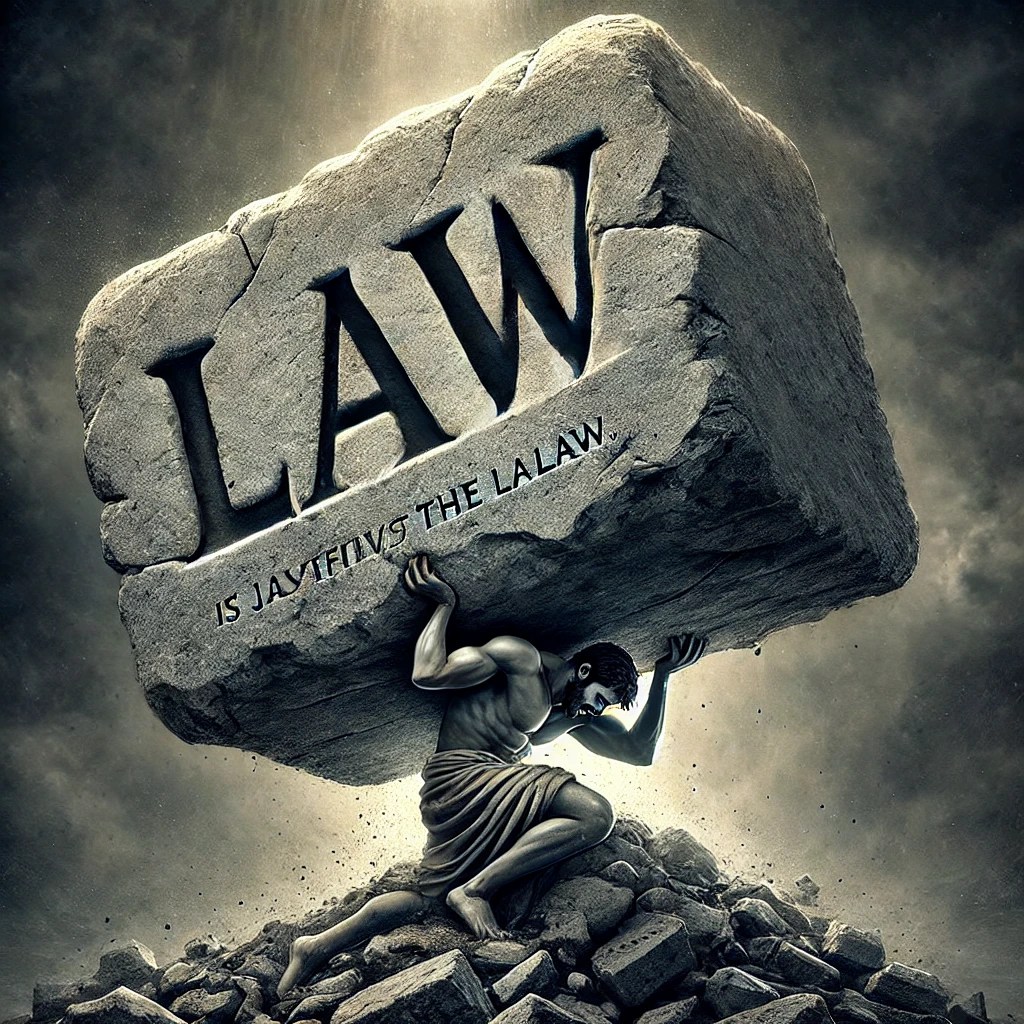
“Therefore by the deeds of the law there shall no flesh be justified in his sight: for by the law is the knowledge of sin.” — Romans 3:20 (KJV)
This leaves every person with a crucial choice: either continue in their sin, rejecting the free gift of salvation, or repent and believe on the Lord Jesus Christ. The urgency of salvation cannot be overstated, for those who die without Christ will face eternal condemnation.

“He that believeth on him is not condemned: but he that believeth not is condemned already, because he hath not believed in the name of the only begotten Son of God.” — John 3:18 (KJV)
This is the dire condition of every lost soul: condemned already. Not waiting for a future judgment, but already under condemnation. The only hope is in Jesus Christ, the only Savior of mankind, whose blood was shed as the perfect sacrifice for sin.

“Neither is there salvation in any other: for there is none other name under heaven given among men, whereby we must be saved.” — Acts 4:12 (KJV)
Salvation is the most urgent need of every person who has ever lived. That is how you become a child of God, and that is what determines whether the Lord knows you. Without salvation, you remain a stranger to God:
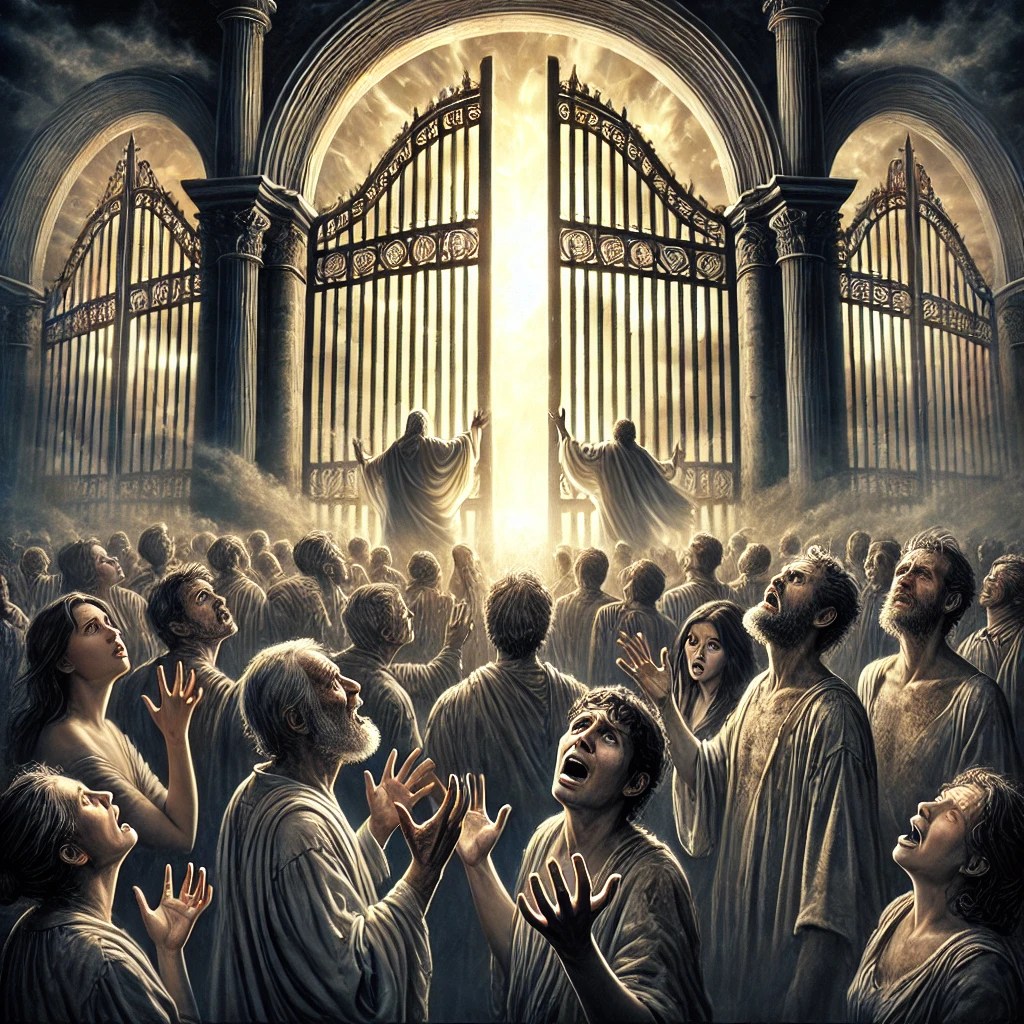
“Not every one that saith unto me, Lord, Lord, shall enter into the kingdom of heaven; but he that doeth the will of my Father which is in heaven. Many will say to me in that day, Lord, Lord, have we not prophesied in thy name? and in thy name have cast out devils? and in thy name done many wonderful works? And then will I profess unto them, I never knew you: depart from me, ye that work iniquity.” — Matthew 7:21-23 (KJV)
You cannot be saved if you think you are fine the way you are. The person who does not believe they need saving will never come to Christ. Humility and repentance are required. Jesus Himself said:
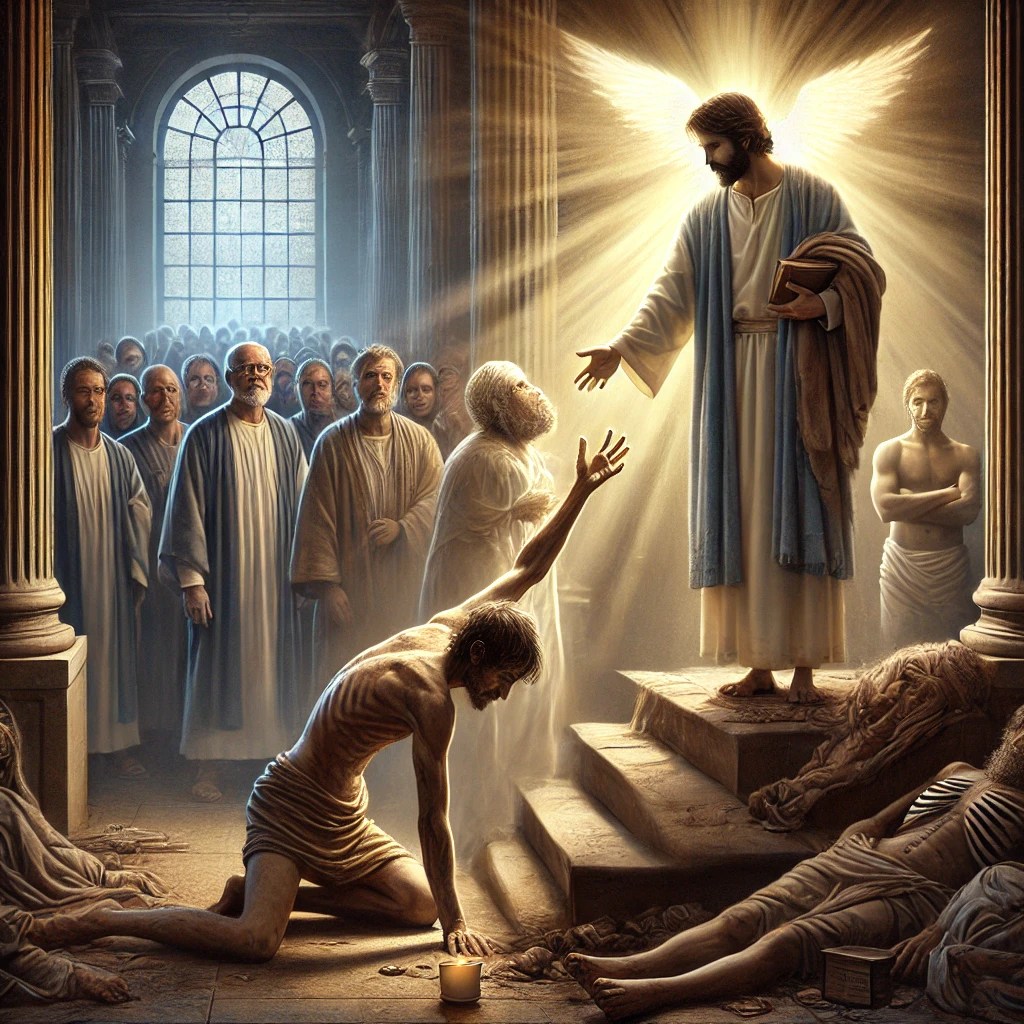
“They that are whole need not a physician; but they that are sick. I came not to call the righteous, but sinners to repentance.” — Luke 5:31-32 (KJV)
If you do not recognize your lost condition, you will not seek salvation. But for those who do, the free gift of salvation through Jesus Christ is available, and through Him alone, eternal life can be secured.
Part 2: The Reality of Hell
This seal is God’s guarantee that His saving work will be brought to completion.
Hell is not an abstract idea, a temporary state, or merely a place of separation from God. It is a literal, terrifying place of eternal torment and suffering, a fate so dreadful that Jesus Christ Himself warned repeatedly about it. The reality of hell is one of the most sobering truths in Scripture, and understanding it is crucial to grasp the full weight of what salvation means.
No external force, no spiritual being, not even the believer’s own failures can separate him from God’s saving power.
Hell Is a Place of Fire and Eternal Torment
The Bible describes hell in stark, unmistakable terms. It is a place of unquenchable fire and unending suffering. Jesus Himself warned in Mark 9:43-44:
“And if thy hand offend thee, cut it off: it is better for thee to enter into life maimed, than having two hands to go into hell, into the fire that never shall be quenched: Where their worm dieth not, and the fire is not quenched.” — Mark 9:43-44 (KJV)
Hell is not merely a punishment for a time—it is everlasting. There is no end, no reprieve, no second chances. It is an eternal fate for those who reject Jesus Christ.
Hell Was Created for the Devil and His Angels
Some people ask, “Why would a loving God send people to hell?” The truth is, hell was never originally created for mankind. It was prepared as a place of judgment for Satan and his fallen angels:

“Then shall he say also unto them on the left hand, Depart from me, ye cursed, into everlasting fire, prepared for the devil and his angels.” — Matthew 25:41 (KJV)
However, those who reject God and refuse His offer of salvation through Jesus Christ choose to share in that punishment. They align themselves with Satan’s rebellion rather than submit to the authority of the Lord.
The Punishment of Hell Is Conscious and Everlasting
Hell is not a place of mere annihilation, as some false teachings suggest. The Bible makes it clear that those who enter hell will be fully conscious, experiencing torment day and night forever. The rich man in Luke 16:23-24 gives a chilling account of this suffering:

“And in hell he lift up his eyes, being in torments, and seeth Abraham afar off, and Lazarus in his bosom. And he cried and said, Father Abraham, have mercy on me, and send Lazarus, that he may dip the tip of his finger in water, and cool my tongue; for I am tormented in this flame.” — Luke 16:23-24 (KJV)
There is no escape, no relief. The suffering is conscious, ongoing, and eternal:

“And the smoke of their torment ascendeth up for ever and ever: and they have no rest day nor night.” — Revelation 14:11 (KJV)
Hell Is a Place of Darkness, Weeping, and Gnashing of Teeth
Not only is hell a place of fire, but it is also a place of outer darkness where there is unimaginable agony:

“And cast ye the unprofitable servant into outer darkness: there shall be weeping and gnashing of teeth.” — Matthew 25:30 (KJV)
This imagery shows complete despair—a place of utter separation from God’s goodness, love, and mercy. It is not a party, nor is it a place of mere inconvenience. It is suffering beyond human comprehension.
There Is No Escape From Hell
One of the most terrifying aspects of hell is its finality. Unlike suffering on earth, where people may find relief or hope of a better tomorrow, hell offers no such hope. Once a soul is condemned, there is no second chance:

“And these shall go away into everlasting punishment: but the righteous into life eternal.” — Matthew 25:46 (KJV)
Hell is described as a bottomless pit (Revelation 20:1-3), a lake of fire (Revelation 20:14-15), and a place of eternal destruction (2 Thessalonians 1:9).

“Who shall be punished with everlasting destruction from the presence of the Lord, and from the glory of his power.” — 2 Thessalonians 1:9 (KJV)
Hell Is for Those Who Reject Salvation
Those who go to hell are not sent there arbitrarily. They reject God’s gift of salvation. They choose sin over righteousness, pride over humility, and their own way over God’s way.
Jesus makes it clear:
“He that believeth on him is not condemned: but he that believeth not is condemned already, because he hath not believed in the name of the only begotten Son of God.” — John 3:18 (KJV)

“He that believeth on the Son hath everlasting life: and he that believeth not the Son shall not see life; but the wrath of God abideth on him.” — John 3:36 (KJV)
False Teachings That Soften the Reality of Hell
Many false doctrines seek to downplay or deny the reality of eternal punishment. Some claim that hell is only temporary, that the wicked will be annihilated, or that everyone will ultimately be saved. These teachings directly contradict Scripture. God’s Word is clear—hell is real, eternal, and the just punishment for sin.

“Let no man deceive you with vain words: for because of these things cometh the wrath of God upon the children of disobedience.” — Ephesians 5:6 (KJV)
The Only Escape: Salvation Through Jesus Christ
The greatest truth about hell is that no one has to go there. Jesus Christ paid the full price for our sins, offering salvation to all who will believe in Him. God does not desire for anyone to perish but for all to come to repentance:

“The Lord is not slack concerning his promise, as some men count slackness; but is longsuffering to us-ward, not willing that any should perish, but that all should come to repentance.” — 2 Peter 3:9 (KJV)
Jesus suffered and died so that we would never have to experience the torment of hell. But you must choose to receive His gift of salvation:

“Believe on the Lord Jesus Christ, and thou shalt be saved.” — Acts 16:31 (KJV)
Part 3: The Only Way to Heaven
The Bible teaches that there is only one way to heaven, and that is through faith in Jesus Christ. This is not a matter of opinion or theological debate but a fundamental truth established in Scripture. Jesus Himself declared:

“Jesus saith unto him, I am the way, the truth, and the life: no man cometh unto the Father, but by me.” — John 14:6 (KJV)
Salvation Is Through Faith Alone, Not Works
Many people believe that if they live a good life, attend church, or perform religious rituals, they will be saved. However, the Bible refutes this idea completely. No amount of human effort, morality, or religious devotion can make a person acceptable to God. Salvation is entirely by grace through faith:

“For by grace are ye saved through faith; and that not of yourselves: it is the gift of God: Not of works, lest any man should boast.” — Ephesians 2:8-9 (KJV)
If salvation could be earned through good deeds, then Jesus Christ would have died in vain. His sacrifice was necessary because no man can attain righteousness on his own.

“Not by works of righteousness which we have done, but according to his mercy he saved us, by the washing of regeneration, and renewing of the Holy Ghost.” — Titus 3:5 (KJV)
The Misunderstanding of Repentance
One of the most misunderstood aspects of salvation is repentance. Many falsely believe that a person must “repent of their sins” to be saved, as if ceasing from sin were a prerequisite for receiving eternal life. However, the Bible never commands anyone to “repent of their sins” in order to be saved. Repentance, in its biblical context, simply means to turn or change one’s mind.
To believe in Jesus Christ is, by definition, an act of repentance from unbelief. It is a turning away from false religion, self-righteousness, or reliance on one’s own works and instead placing full faith in Christ alone for salvation.
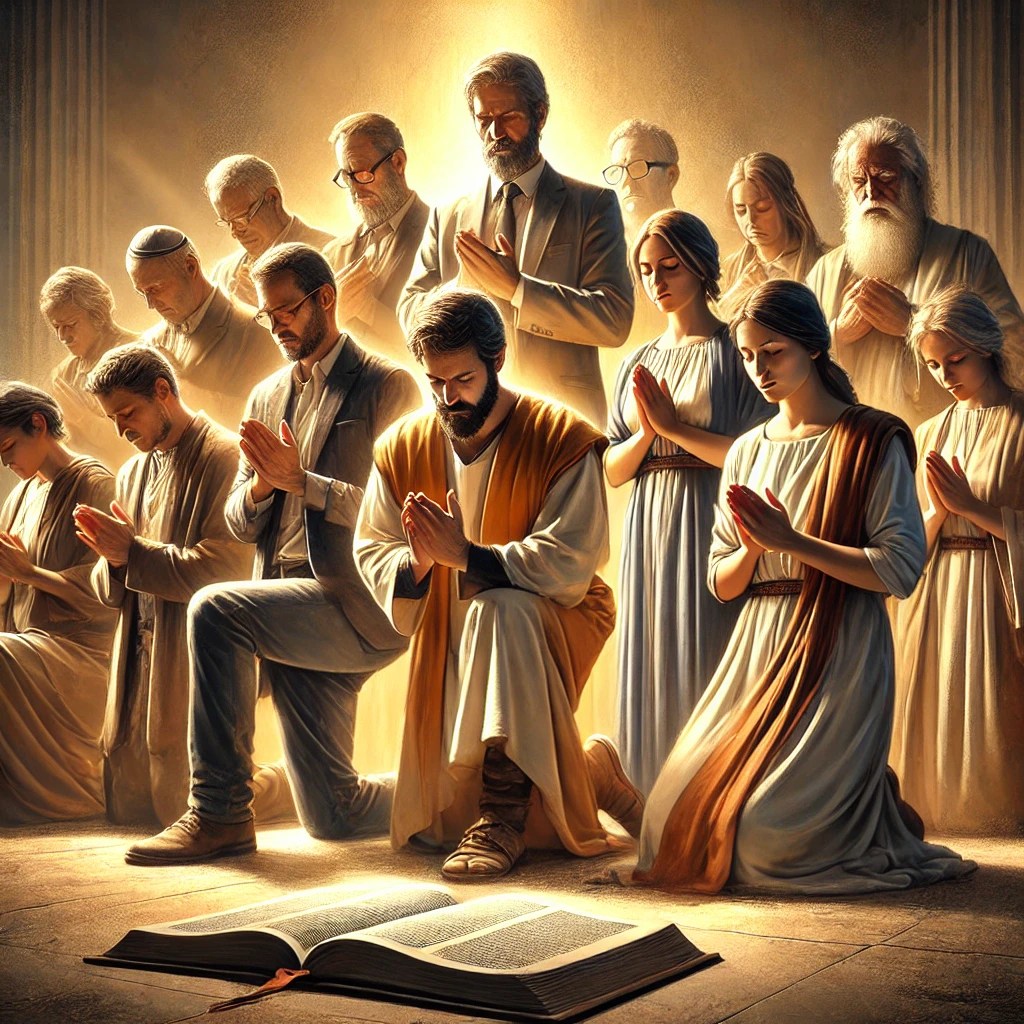
“Testifying both to the Jews, and also to the Greeks, repentance toward God, and faith toward our Lord Jesus Christ.” — Acts 20:21 (KJV)
A lost person may have been trusting in Catholicism, Islam, atheism, or their own self-righteousness, but when they believe in Jesus Christ alone, they have repented from that false belief system and turned to the truth. This is biblical repentance.
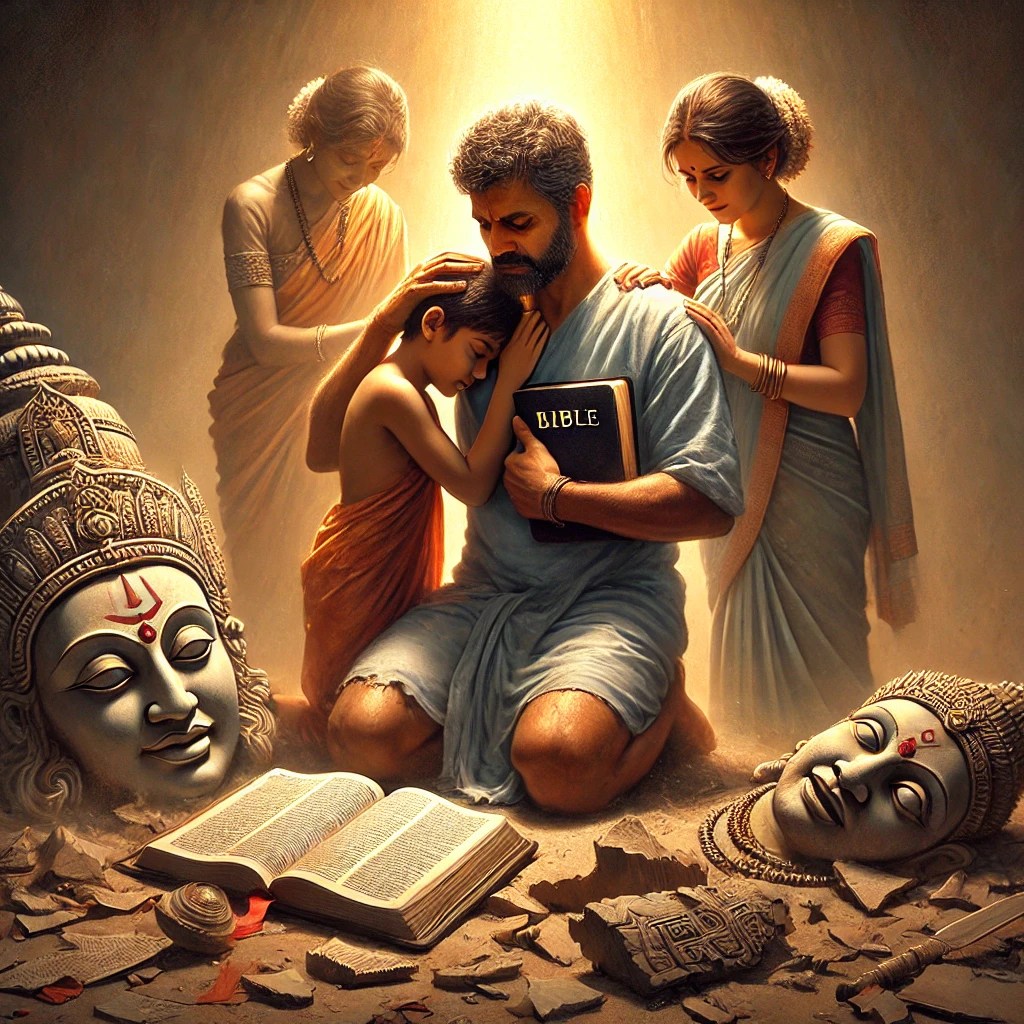
“And the times of this ignorance God winked at; but now commandeth all men every where to repent.” — Acts 17:30 (KJV)
The Bible makes it abundantly clear that God Himself repents more than anyone else in Scripture. Since God is sinless, it is evident that repentance does not mean turning from sin, but rather a change of mind. The Lord repented numerous times in the Old Testament:
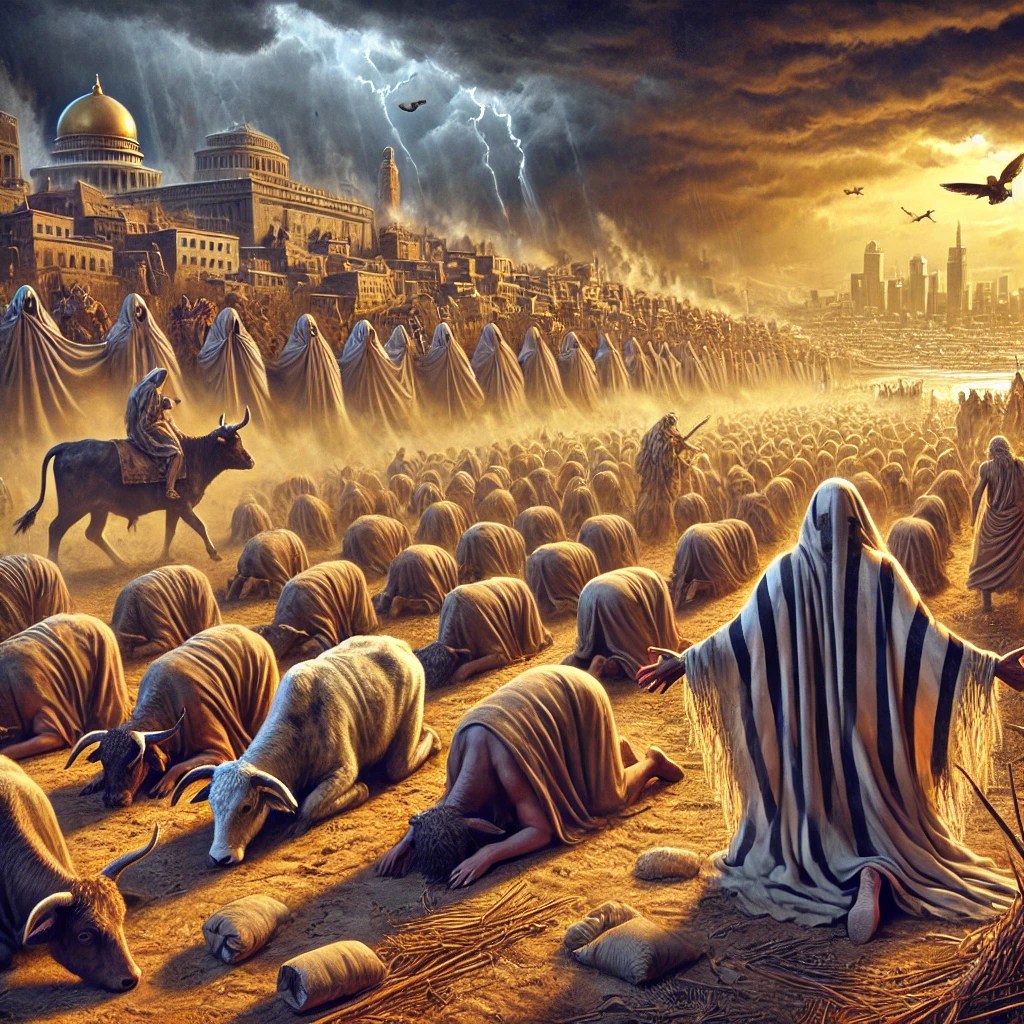
“And God saw their works, that they turned from their evil way; and God repented of the evil, that he had said that he would do unto them; and he did it not.” — Jonah 3:10 (KJV)
If repentance meant turning from sin, then this verse would suggest that God was a sinner, which is impossible. Therefore, biblical repentance is a change of mind toward God and His truth.
This does not mean that one must first clean up their life or stop sinning before they can be saved. Salvation is not about stopping sin—it is about trusting in Christ alone. While believers should repent of their sins throughout their Christian walk, they will never be sinless until they are perfected in the next life. To teach that repentance from sin is required for salvation adds works to the gospel and contradicts the clear teaching of Scripture.

“If we say that we have no sin, we deceive ourselves, and the truth is not in us.” — 1 John 1:8 (KJV)
Faith Counted for Righteousness
Only those who place their faith in Jesus Christ will be saved. This is how God justifies the sinner—their faith is counted as righteousness, just as it was for Abraham:
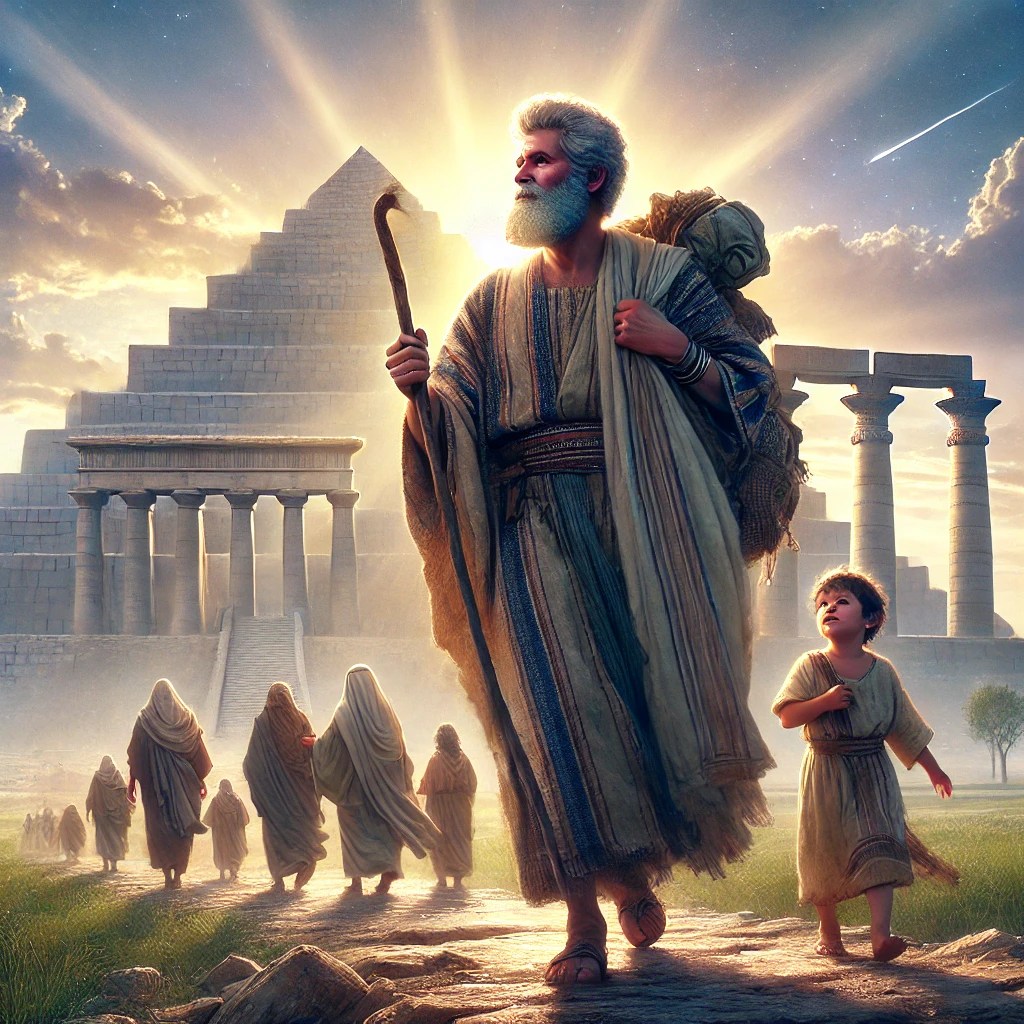
“Even as Abraham believed God, and it was accounted to him for righteousness.” — Galatians 3:6 (KJV)
The Bible clearly teaches that the will of the Father is for us to believe on Jesus Christ:

“And this is the will of him that sent me, that every one which seeth the Son, and believeth on him, may have everlasting life: and I will raise him up at the last day.” — John 6:40 (KJV)
The book of James is often misused to promote works-based salvation, but James does not contradict faith alone. He acknowledges that Abraham was justified before God by faith long before he performed any works:
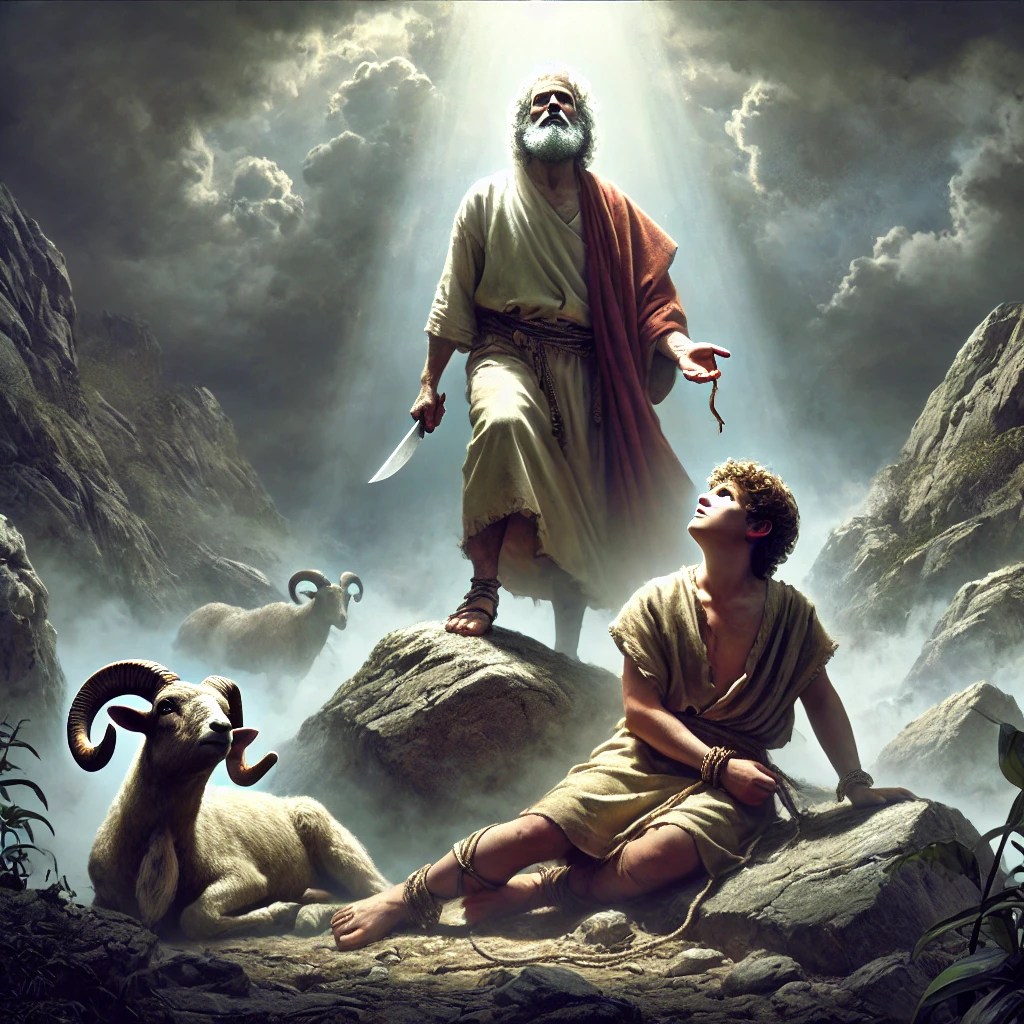
“Was not Abraham our father justified by works, when he had offered Isaac his son upon the altar?” — James 2:21 (KJV)
However, this justification was before men, not before God. Paul clarifies that Abraham was justified before God by faith alone:
“For if Abraham were justified by works, he hath whereof to glory; but not before God.” — Romans 4:2 (KJV)
Faith is the foundation of our salvation, and Hebrews 11 dedicates an entire chapter to defining and explaining it:
“Now faith is the substance of things hoped for, the evidence of things not seen.” — Hebrews 11:1 (KJV)
Rejecting False Paths to Heaven
There is no other way to be saved. No church, religious leader, or self-improvement effort can substitute for faith in Christ alone. Many religions falsely promise salvation through sacraments, good deeds, or self-discipline, but the Bible is clear:
“Neither is there salvation in any other: for there is none other name under heaven given among men, whereby we must be saved.” — Acts 4:12 (KJV)
The Consequence of Rejecting Christ
Those who do not believe in Jesus Christ are already condemned. There is no neutrality. A person is either saved or lost.
“He that believeth on him is not condemned: but he that believeth not is condemned already, because he hath not believed in the name of the only begotten Son of God.” — John 3:18 (KJV)
God offers salvation freely to all who believe, but those who reject it will suffer eternal separation from Him in hell. The choice is simple: trust in Jesus and live, or reject Him and perish.
Part 4: The Indwelling of the Holy Spirit and the Doctrine of Illumination
The doctrine of the Holy Spirit is one of the most misunderstood aspects of Christianity. Many false teachings have arisen, distorting His role and nature. The Bible is clear that the Holy Spirit is not a force, not an energy, not an emotional experience, but a divine person—the third person of the Trinity.
The Natural Man Cannot Receive the Things of the Spirit
The Bible declares that without the Holy Spirit, man is incapable of understanding spiritual truth. This is why unbelievers cannot grasp the doctrines of God—they lack the indwelling presence of the Spirit of Truth.
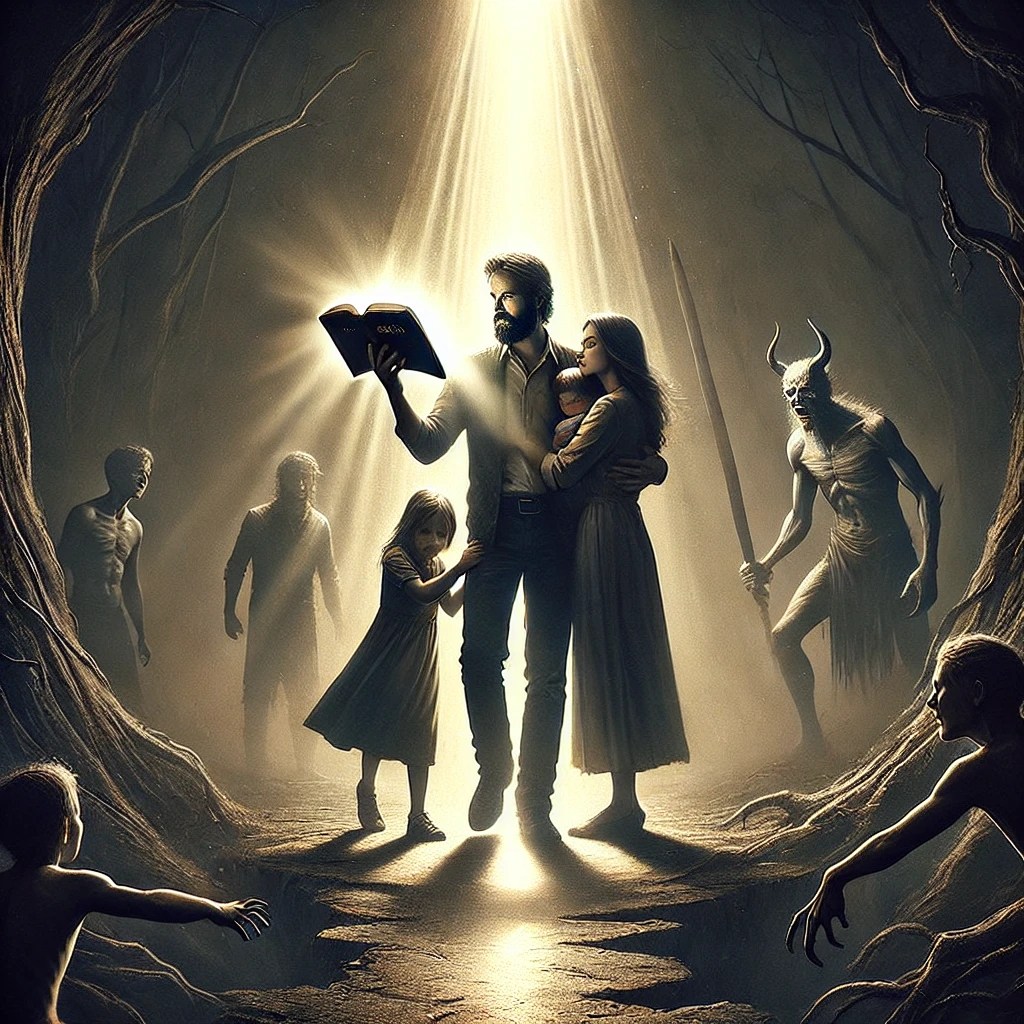
“But the natural man receiveth not the things of the Spirit of God: for they are foolishness unto him: neither can he know them, because they are spiritually discerned.” — 1 Corinthians 2:14 (KJV)
A person must be born again and indwelt by the Holy Spirit to truly understand the things of God. This is why the world is filled with false doctrines, why heresies persist, and why so many reject sound doctrine. The Holy Spirit alone opens the eyes of a believer.
The Holy Spirit Leads Us Into All Truth
Jesus promised that the Holy Spirit would lead believers into truth. He is our teacher, our comforter, and our guide.

“Howbeit when he, the Spirit of truth, is come, he will guide you into all truth: for he shall not speak of himself; but whatsoever he shall hear, that shall he speak: and he will shew you things to come.” — John 16:13 (KJV)
The Holy Spirit does not control or possess a believer in a way that removes free will. The Christian is not forced to act by the Spirit but is instead led by Him. This is an important distinction that rejects the false doctrines of Pentecostalism and Charismatic movements, which claim that the Holy Spirit takes over a person, causing uncontrollable speech (tongues) or physical convulsions.
What the Holy Spirit Is Not
It is important to be clear on what the Holy Spirit is not. The Holy Spirit is not an impersonal force like in Star Wars, nor is He merely an influence or feeling. The Holy Spirit does not possess believers in a way that forces them into uncontrolled actions. Many false religious movements have claimed that speaking in tongues, rolling on the floor, or entering into frenzied states are signs of the Spirit. These are not biblical. The Holy Spirit is a divine person of the Godhead who leads and convicts, but never in a chaotic or unbiblical manner.
The Holy Spirit and the Trinity
The Holy Spirit is not an impersonal force but a person of the triune Godhead. The doctrine of the Trinity is central to the Christian faith:
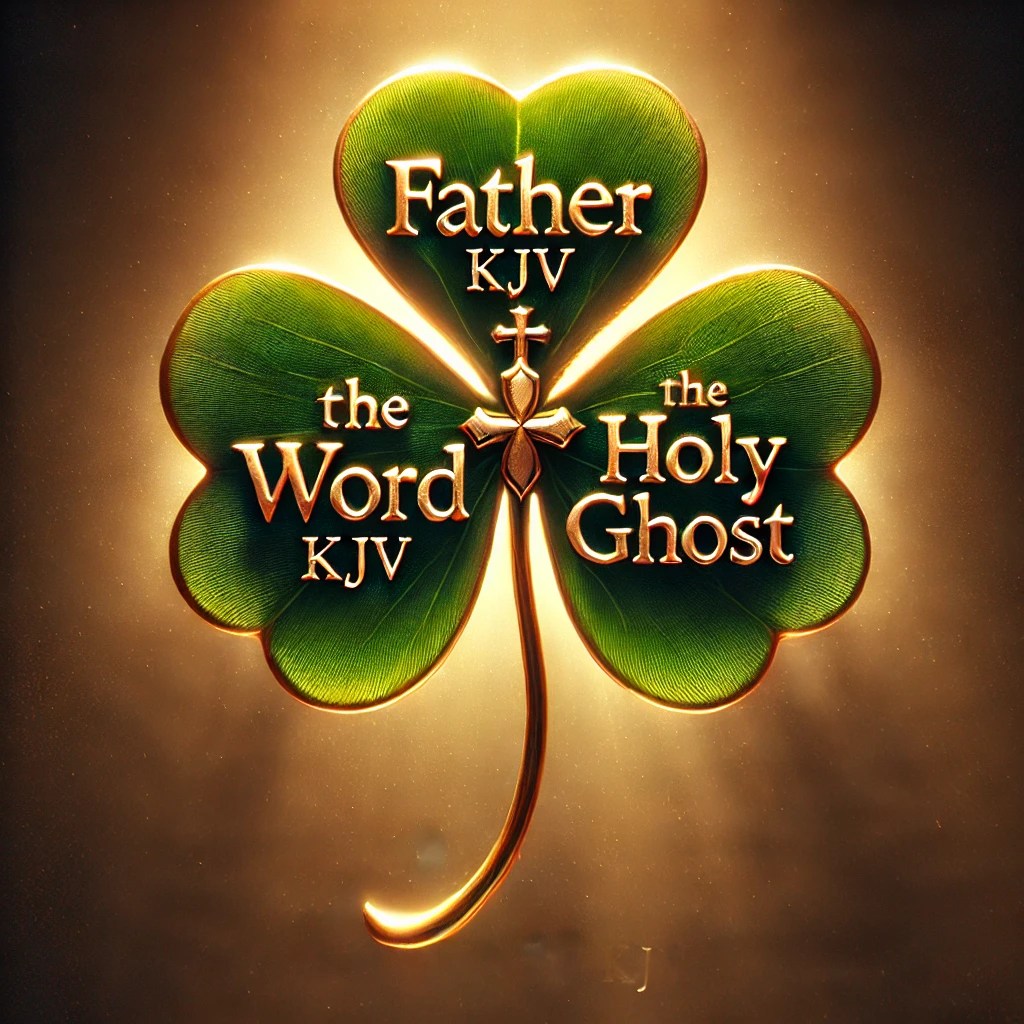
“For there are three that bear record in heaven, the Father, the Word, and the Holy Ghost: and these three are one.” — 1 John 5:7 (KJV)
The Holy Spirit, along with the Father and the Son, is eternal and fully God.
Jesus Christ: The Word of God in the Old and New Testaments
Jesus Christ, the Son of God, is preexistent and eternal. He is not merely a perfect man—He is God. The Bible refers to Him as the Word of God:
“In the beginning was the Word, and the Word was with God, and the Word was God.” — John 1:1 (KJV)
Jesus Christ appears all over the Old Testament. The Lord Himself came to Abraham and conversed with him (Genesis 18). Since the Bible states that no man has seen the Father (John 1:18), it is evident that when the Lord appeared in human form, it was Jesus Christ. He is called the Word of God. He is also seen as the fourth man in the fiery furnace (Daniel 3:25). He is the central figure of the Bible from Genesis to Revelation.
The Power and Preservation of the Word of God
The first attack of Satan in history was to cause doubt in God’s Word:

“Yea, hath God said?” — Genesis 3:1 (KJV)
God promises to preserve His Word, and it has been purified:

“The words of the LORD are pure words: as silver tried in a furnace of earth, purified seven times.” — Psalm 12:6 (KJV)
The King James Bible is the seventh English translation, preceded by:
- Wycliffe Bible (1382)
- Tyndale Bible (1526)
- Coverdale Bible (1535)
- Matthew’s Bible (1537)
- Great Bible (1539)
- Geneva Bible (1560)
- King James Bible (1611)
God has always chosen the lingua franca of the time to spread His Word, just as He did with Greek and Aramaic in biblical times. Today, English serves as a global language, and God has ensured that a true Bible, translated from the Masoretic Text and the Textus Receptus, is available in every chief language.
Conclusion
The Holy Spirit is the key to understanding Scripture, living a bold Christian life, and being comforted in the truth of God’s Word. He does not possess or control believers but leads, convicts, and points us to Jesus Christ. The Word of God is our authority, and Jesus Christ, as the Word, is our focus.
The King James Bible is the fulfillment of God’s promise to preserve His Word. Its foundation in the pure texts ensures it is the most reliable and inerrant English translation, standing apart from modern corruptions that seek to dilute God’s message.
Part 5: The Eternal Security of the Believer
The doctrine of eternal security, also known as Once Saved, Always Saved, is one of the most comforting and biblically solid truths for a believer in Jesus Christ. The Word of God clearly teaches that those who have been truly saved by grace through faith in Jesus Christ are eternally secure and can never lose their salvation. This doctrine is based not on human efforts, but on the promises of God, the finished work of Christ, and the sealing of the Holy Spirit【110:2†Eternal_Security_01.docx】.
Salvation Is the Work of God, Not Man
Salvation is entirely the work of God. Man does not save himself, nor does he keep himself saved. It is God who initiates, accomplishes, and secures salvation.
“For by grace are ye saved through faith; and that not of yourselves: it is the gift of God: Not of works, lest any man should boast.” — Ephesians 2:8-9 (KJV)
If salvation is by grace through faith and is a gift of God, then maintaining salvation cannot be based on works. Once a believer is saved, he is eternally secure, not because of his own strength, but because of the power and faithfulness of God.
Jesus’ Finished Work on the Cross
When Jesus Christ declared “It is finished” (John 19:30, KJV), He was proclaiming that the work of redemption was fully completed. Nothing can be added to the finished work of Christ, and nothing can undo it.
“For by one offering he hath perfected for ever them that are sanctified.” — Hebrews 10:14 (KJV)
If Christ has perfected us forever through His sacrifice, then salvation cannot be lost. To claim otherwise is to diminish the sufficiency of Christ’s atonement.
God’s Promise to Preserve the Believer
Jesus Christ Himself guarantees eternal security in John 10:
“And I give unto them eternal life; and they shall never perish, neither shall any man pluck them out of my hand. My Father, which gave them me, is greater than all; and no man is able to pluck them out of my Father’s hand.” — John 10:28-29 (KJV)
Notice the explicit guarantees:
- “I give unto them eternal life” – Salvation is an irreversible gift from Christ.
- “They shall never perish” – There is no possibility of losing salvation.
- “Neither shall any man pluck them out of my hand” – This includes the believer himself. Once in Christ’s hand, you cannot be lost.
- Sealed by the Holy Spirit
The moment a believer is saved, he is sealed with the Holy Spirit as a guarantee of his eternal inheritance.
“In whom ye also trusted, after that ye heard the word of truth, the gospel of your salvation: in whom also after that ye believed, ye were sealed with that holy Spirit of promise, Which is the earnest of our inheritance until the redemption of the purchased possession, unto the praise of his glory.” — Ephesians 1:13-14 (KJV)
“Being confident of this very thing, that he which hath begun a good work in you will perform it until the day of Jesus Christ.” — Philippians 1:6 (KJV)
Nothing Can Separate Us From God
Romans 8 contains one of the most definitive passages on the eternal security of the believer:
“For I am persuaded, that neither death, nor life, nor angels, nor principalities, nor powers, nor things present, nor things to come, Nor height, nor depth, nor any other creature, shall be able to separate us from the love of God, which is in Christ Jesus our Lord.” — Romans 8:38-39 (KJV)
Objections to Eternal Security
Some argue that a believer can “fall away” from salvation, often citing Hebrews 6:4-6. However, Hebrews 6:9 clarifies:
“But, beloved, we are persuaded better things of you, and things that accompany salvation, though we thus speak.” — Hebrews 6:9 (KJV)
The warning is not about losing salvation, but about those who were never truly saved to begin with. True believers endure to the end, not by their own power, but because God preserves them.
Conclusion
The doctrine of eternal security is a beautiful and foundational truth. A believer is eternally saved because of the finished work of Christ, the faithfulness of God, and the sealing power of the Holy Spirit. This assurance should not lead to complacency but to a life of gratitude, service, and holiness.
The truth of eternal security brings peace, joy, and confidence. If salvation could be lost, then grace would not be grace, and Christ’s sacrifice would not be sufficient. But thanks be to God, salvation is eternal, secure, and irrevocable for those who have believed on Jesus Christ.
Part 6: The Children of the Devil and the Deception of Satan
The Bible is unequivocal about the existence, power, and deception of Satan. The devil is not a symbolic representation of evil; he is real, active, and dangerous. He is described as the father of lies, a murderer from the beginning, and the god of this world who blinds the minds of those who do not believe.
“Ye are of your father the devil, and the lusts of your father ye will do. He was a murderer from the beginning, and abode not in the truth, because there is no truth in him. When he speaketh a lie, he speaketh of his own: for he is a liar, and the father of it.” — John 8:44 (KJV)
Jesus Christ exposed the Pharisees for what they truly were: children of the devil. They were not simply misguided religious leaders; they were under the direct influence of Satan, masquerading as holy men while leading souls to hell. (Today these phony spiritual people would be called narcicists and when they claim to be christian they wear the mask of Christianity on social media and at church.)
Sons of Belial: The Seed of the Serpent
Throughout Scripture, the term sons of Belial is used to describe the most wicked, depraved, and reprobate individuals. These are not merely sinners in need of salvation—these are individuals who have given themselves over to darkness and are wholly children of the devil.
“Now the sons of Eli were sons of Belial; they knew not the LORD.” — 1 Samuel 2:12 (KJV)
These sons of Belial were priests, religious leaders, but they were wicked and godless. Their spiritual state mirrors the Pharisees in Jesus’ day and the false teachers that pollute modern Christianity.
Satan’s Ministers Disguised as Ministers of Righteousness
Satan’s power is not limited to blatant acts of wickedness—his most effective weapon is deception. He disguises himself as an angel of light, and his ministers appear as ministers of righteousness.
“And no marvel; for Satan himself is transformed into an angel of light. Therefore it is no great thing if his ministers also be transformed as the ministers of righteousness; whose end shall be according to their works.” — 2 Corinthians 11:14-15 (KJV)
Many false teachers and prominent religious figures appear righteous but are wolves in sheep’s clothing. They talk like Christians, act like Christians, and use Christian language, but they preach another gospel and lead many astray.
Misunderstanding the Fruit of the Spirit
One of the greatest deceptions among modern Christianity is the misunderstanding of fruit. Many believe that someone’s gentleness, tone of voice, or outward piety is evidence of their righteousness. However, the Bible teaches that the true fruit of a Christian is reproducing believers, not merely displaying an outward show of kindness.
“Ye shall know them by their fruits. Do men gather grapes of thorns, or figs of thistles?” — Matthew 7:16 (KJV)
Many false teachers and hypocrites speak in a soft, controlled voice, display a false sense of spirituality, and appear “holy,” but this is a deception. The real fruit of a believer is leading others to Christ, not an artificial piety meant to deceive.
The Wheat and the Tares: A Warning About False Converts
The parable of the wheat and the tares is one of the most important and terrifying passages in the Bible. Jesus describes how the enemy (Satan) sows tares among the wheat—false believers among true believers.
“The field is the world; the good seed are the children of the kingdom; but the tares are the children of the wicked one; The enemy that sowed them is the devil; the harvest is the end of the world; and the reapers are the angels. As therefore the tares are gathered and burned in the fire; so shall it be in the end of this world.” — Matthew 13:38-40 (KJV)
Not all who claim to be Christian are truly born again. Some are planted by Satan himself to corrupt the church and lead others astray. These false believers will remain until the final judgment, when they will be gathered and cast into the fire.
A Call to Discernment
Christians must be vigilant, discerning, and rooted in Scripture. Many follow false teachers blindly, believing their charisma, emotional appeal, or public influence is proof of their righteousness. The Bible warns again and again to test the spirits and compare everything to the Word of God.
“Beloved, believe not every spirit, but try the spirits whether they are of God: because many false prophets are gone out into the world.” — 1 John 4:1 (KJV)
Satan is a master deceiver. He works through false doctrines, false teachers, and false brethren. The only safeguard against deception is a firm grounding in the Bible.
Conclusion
Satan is real. His power is great, and his deception is vast. Many are led astray because they judge by appearance, emotion, or personality, rather than by the truth of the Word of God. False teachers abound, posing as righteous men, but leading souls to hell.
The wheat and the tares grow together, but the final judgment is coming. Those who are truly in Christ will be gathered into His kingdom, while the tares—the children of the wicked one—will be cast into the fire.
Are you truly saved? Are you discerning? Or have you been deceived by the smooth words of Satan’s ministers?
Part 7: The Chastening of the Believer
The Bible is clear that salvation does not grant a believer immunity from hardship, suffering, or correction. Rather, those who belong to God will experience chastening—not as a sign of rejection, but as proof of sonship. The Lord chastens His children for their good, refining them and drawing them closer to Him.
The Lord’s Chastening Is Proof of Sonship
Many misunderstand the trials and discipline that come into their lives, questioning if God is angry with them or if they have lost favor in His sight. However, Scripture is clear that the chastening of the Lord is an act of love, proof that one truly belongs to Him.
“For whom the Lord loveth he chasteneth, and scourgeth every son whom he receiveth.” — Hebrews 12:6 (KJV)
A father disciplines his son not out of wrath, but out of love. Likewise, God disciplines His children to correct them, to teach them obedience, and to make them partakers of His holiness.
“If ye endure chastening, God dealeth with you as with sons; for what son is he whom the father chasteneth not?” — Hebrews 12:7 (KJV)
If a person is never chastened, never convicted of sin, never experiences the correction of God, it is a frightening indication that they are not truly saved.
“But if ye be without chastisement, whereof all are partakers, then are ye bastards, and not sons.” — Hebrews 12:8 (KJV)
Chastening Produces Righteousness
The purpose of chastening is not punishment for punishment’s sake, but to refine and sanctify the believer. It is part of the process of becoming conformed to the image of Christ.
“Now no chastening for the present seemeth to be joyous, but grievous: nevertheless afterward it yieldeth the peaceable fruit of righteousness unto them which are exercised thereby.” — Hebrews 12:11 (KJV)
God’s discipline may be painful in the moment, but it produces a far greater result: holiness and righteousness. The believer who submits to God’s correction is strengthened and purified, while the one who resists correction remains stagnant or even falls into greater sin.
Examples of God’s Chastening in Scripture
The Bible provides numerous examples of God chastening His people:
- David – After his sin with Bathsheba, David suffered great loss, yet he humbled himself and repented, acknowledging God’s discipline (2 Samuel 12:13-14).
- Jonah – The prophet Jonah ran from God’s command and was swallowed by a great fish, but through his trial, he repented and obeyed (Jonah 2:1-9).
- Israel – Time and again, Israel rebelled, and God sent nations to oppress them, yet He always restored them when they repented (Judges 2:11-18).
Chastening Is Not Condemnation
A critical distinction must be made: chastening is not the same as condemnation. A believer who sins will face discipline from God, but they will never face eternal damnation.
“There is therefore now no condemnation to them which are in Christ Jesus, who walk not after the flesh, but after the Spirit.” — Romans 8:1 (KJV)
Chastening is temporary; condemnation is eternal. The unsaved will experience God’s judgment in full force, but the saved will be corrected as a child, not punished as an enemy.
A Call to Endure Chastening
In times of suffering and discipline, a believer must not grow weary or despise the Lord’s correction. Instead, they should submit to His will, trusting in His love and wisdom.
“My son, despise not thou the chastening of the Lord, nor faint when thou art rebuked of him.” — Hebrews 12:5 (KJV)
The chastening of the Lord should bring a believer closer to God, not further away. Those who learn from it will emerge stronger, purer, and more prepared for His service.
Part 8: Cain and the Foundation of Works Salvation
The heresy of works-based salvation has its foundation in Cain, the very first man to reject God’s way of salvation. Cain’s offering was rejected because it was the fruit of his own labor, while Abel’s offering was accepted because it was the blood sacrifice that God required.
“Not as Cain, who was of that wicked one, and slew his brother. And wherefore slew he him? Because his own works were evil, and his brother’s righteous.” — 1 John 3:12 (KJV)
Cain is explicitly called “of that wicked one,” meaning he was aligned with Satan’s rebellion. His self-righteousness led him to reject God’s command and offer his own version of sacrifice, mirroring every false religion that seeks to establish righteousness apart from faith in Jesus Christ.
Lordship Salvation: A Repugnant Heresy
One of the most damnable distortions of the Gospel in modern times is Lordship Salvation. This false gospel backloads works into salvation, teaching that true faith must be evidenced by outward change rather than simply by belief in Christ’s finished work.
“But to him that worketh not, but believeth on him that justifieth the ungodly, his faith is counted for righteousness.” — Romans 4:5 (KJV)
Scripture could not be clearer—works have no place in salvation. The Lordship Salvation crowd demands evidence of transformation as a requirement for salvation, making it a works-based system just like Cain’s rejected offering.
“Are ye so foolish? having begun in the Spirit, are ye now made perfect by the flesh?” — Galatians 3:3 (KJV)
Salvation is entirely by grace, through faith alone. The moment you add any requirement of works, obedience, or external validation, you deny the sufficiency of Christ.
The Pharisaical Hypocrisy of Lordship Salvation
The Pharisees were the original Lordship Salvationists. They made broad their phylacteries, spoke in lofty spiritual tones, and boasted of external righteousness, but inside they were full of dead men’s bones.
“Woe unto you, scribes and Pharisees, hypocrites! for ye are like unto whited sepulchres, which indeed appear beautiful outward, but are within full of dead men’s bones, and of all uncleanness.” — Matthew 23:27 (KJV)
Lordship Salvationists constantly say, “There will be some change,” but that phrase does not appear in Scripture. This man-made standard judges by outward appearance, yet God looks at the heart.
“But the LORD said unto Samuel, Look not on his countenance, or on the height of his stature; because I have refused him: for the LORD seeth not as man seeth; for man looketh on the outward appearance, but the LORD looketh on the heart.” — 1 Samuel 16:7 (KJV)
The fruit of a Christian is not their behavior—it is leading others to Christ. Many are deceived into confusing “you shall know them by their fruits” with the fruit of the Spirit.
The Wheat and the Tares: A Long-Standing Deception
Jesus warned that Satan has sown false converts among true believers. These tares look just like wheat until the time of harvest.
“The enemy that sowed them is the devil; the harvest is the end of the world; and the reapers are the angels. As therefore the tares are gathered and burned in the fire; so shall it be in the end of this world.” — Matthew 13:39-40 (KJV)
The greatest danger is that these false brethren outwardly appear holy. They uphold morality, religious devotion, and outward righteousness, yet they are utterly lost because they trust in their own works instead of Christ alone.
“For they being ignorant of God’s righteousness, and going about to establish their own righteousness, have not submitted themselves unto the righteousness of God.” — Romans 10:3 (KJV)
Destroying This False Religion with Scripture
The Word of God utterly dismantles the lie of works-based salvation:
- Salvation is by faith alone (Ephesians 2:8-9, Romans 4:5, Galatians 2:16).
- Adding works to salvation nullifies grace (Romans 11:6).
- Even the best works are as filthy rags (Isaiah 64:6).
- Jesus saves to the uttermost—not halfway (Hebrews 7:25).
Lordship Salvation is nothing more than Pharisaical legalism repackaged. It does not save; it damns.
“Christ is become of no effect unto you, whosoever of you are justified by the law; ye are fallen from grace.” — Galatians 5:4 (KJV)
Part 9: The Tribulations of the Believer
The trials and tribulations of the Christian life are inevitable, and the Bible speaks of them repeatedly. The false teaching of a pre-tribulation rapture has led many to believe they will escape all hardship, yet Scripture clearly teaches that believers will endure tribulation, but they are spared from God’s wrath.
“Immediately after the tribulation of those days shall the sun be darkened, and the moon shall not give her light, and the stars shall fall from heaven, and the powers of the heavens shall be shaken: And then shall appear the sign of the Son of man in heaven.” — Matthew 24:29-30 (KJV)
The pre-tribulation rapture doctrine is a deception that leads many to a false sense of security. Instead of preparing for hardship, many are taught to expect to escape before it begins. However, the Bible states clearly that the rapture occurs after the tribulation but before the wrath of God.
Enduring Hardness as a Good Soldier
The life of a Christian is one of spiritual warfare, and believers are commanded to endure hardship.
“Thou therefore endure hardness, as a good soldier of Jesus Christ.” — 2 Timothy 2:3 (KJV)
Many modern churches teach a false gospel of comfort that suggests that if someone has enough faith, they will live in material prosperity and avoid suffering. This is completely unbiblical. The Bible teaches that believers will experience tribulation, persecution, and trials.
“In the world ye shall have tribulation: but be of good cheer; I have overcome the world.” — John 16:33 (KJV)
“We must through much tribulation enter into the kingdom of God.” — Acts 14:22 (KJV)
A Man’s Enemies Will Be of His Own Household
One of the greatest sources of tribulation for a believer is his own family. When a person is saved, their unsaved family members may become the instruments of Satan, attempting to pull them away from their faith.
“And a man’s foes shall be they of his own household.” — Matthew 10:36 (KJV)
Jesus Himself warned that following Him would cause division, even within families:
“Think not that I am come to send peace on earth: I came not to send peace, but a sword.” — Matthew 10:34 (KJV)
Satan knows that unsaved family members, especially spouses, children, or parents, can be used to cause turmoil in the life of a believer. They may ridicule faith, introduce sinful temptations, or actively seek to pull the believer away from the truth.
Sometimes, the devil leads unsaved family and friends into sin or even turns them directly against the believer. Some attacks against the Christian might not even seem spiritual, yet they are. Scripture reminds us:
“For we wrestle not against flesh and blood, but against principalities, against powers, against the rulers of the darkness of this world, against spiritual wickedness in high places.” — Ephesians 6:12 (KJV)
Paul’s Thorn: A Messenger of Satan
Even the Apostle Paul suffered constant attacks, which he described as a messenger of Satan sent to buffet him.
“And lest I should be exalted above measure through the abundance of the revelations, there was given to me a thorn in the flesh, the messenger of Satan to buffet me, lest I should be exalted above measure.” — 2 Corinthians 12:7 (KJV)
Satan’s assaults on believers are relentless. He uses every available avenue, including family, friends, financial struggles, and health issues, to discourage and weaken faith.
Standing Firm in the Face of Tribulation
The path to life is not easy, and few find it. Jesus warned that the road to life is narrow and that few would be saved.
“Enter ye in at the strait gate: for wide is the gate, and broad is the way, that leadeth to destruction, and many there be which go in thereat: Because strait is the gate, and narrow is the way, which leadeth unto life, and few there be that find it.” — Matthew 7:13-14 (KJV)
Believers must stand strong, knowing that tribulation refines them and strengthens their dependence on Christ.
Part 10: The New Heaven, The New Earth, and the Eternal Reign of Christ
The final promise of God’s plan for His people is the establishment of a new heaven and a new earth, where righteousness dwells, and where the redeemed will reign with Christ forever. This is the culmination of God’s redemption plan, where sin, death, and suffering are forever abolished, and eternal joy in the presence of God is realized.
A New Heaven and a New Earth
The Scriptures teach that the current world will pass away, making way for a new, incorruptible creation.
“And I saw a new heaven and a new earth: for the first heaven and the first earth were passed away; and there was no more sea.” — Revelation 21:1 (KJV)
This new creation is not a mere restoration of the old, but a completely renewed dwelling place, free from sin, pain, and death.
“And God shall wipe away all tears from their eyes; and there shall be no more death, neither sorrow, nor crying, neither shall there be any more pain: for the former things are passed away.” — Revelation 21:4 (KJV)
The curse of sin will be abolished, and there will be no more suffering—only perfect fellowship with God for eternity.
The Eternal Reign of Christ and His Saints
Jesus Christ, the King of Kings, will reign forever, and His people will reign with Him.
“And there shall be no more curse: but the throne of God and of the Lamb shall be in it; and his servants shall serve him.” — Revelation 22:3 (KJV)
Believers will have glorified bodies, no longer subject to corruption, and they will serve the Lord in perfect righteousness.
“For our conversation is in heaven; from whence also we look for the Saviour, the Lord Jesus Christ: Who shall change our vile body, that it may be fashioned like unto his glorious body, according to the working whereby he is able even to subdue all things unto himself.” — Philippians 3:20-21 (KJV)
God Dwelling with Man Forever
The greatest joy of eternity will not be the streets of gold, the gates of pearl, or the absence of suffering—it will be the eternal presence of God.
“Behold, the tabernacle of God is with men, and he will dwell with them, and they shall be his people, and God himself shall be with them, and be their God.” — Revelation 21:3 (KJV)
The barrier of sin that once separated mankind from God will be gone, and believers will enjoy perfect communion with the Lord forever.
The Fate of the Wicked
Just as there is an eternal reward for the righteous, there is an eternal judgment for the wicked. Those who reject Christ will have no part in this new creation but will be cast into the lake of fire.
“And whosoever was not found written in the book of life was cast into the lake of fire.” — Revelation 20:15 (KJV)
This is the second death, an eternal separation from God, reserved for those who refused the gift of salvation.
The Urgency of Salvation
Since eternity is at stake, the call to believe in Jesus Christ is the most urgent message.
“Behold, now is the accepted time; behold, now is the day of salvation.” — 2 Corinthians 6:2 (KJV)
No one is promised tomorrow. The decision to accept Christ must be made in this life—for after death, there are no second chances.
Conclusion: The Final Victory
For those who have put their faith in Jesus Christ, the future is secure and glorious. A new heaven and a new earth await, a kingdom that shall never pass away, where righteousness and peace will reign forever.
“And there shall be no night there; and they need no candle, neither light of the sun; for the Lord God giveth them light: and they shall reign for ever and ever.” — Revelation 22:5 (KJV)
This is the final victory—eternal life with Jesus Christ, where sin, death, and the devil have been forever defeated. What a glorious future for the children of God!
“Even so, come, Lord Jesus.” — Revelation 22:20 (KJV)
Final Words
This concludes the exploration of salvation. If you are reading this and have not yet believed on the Lord Jesus Christ, now is the time. The opportunity to accept Him ends at death.
For those who are saved, let this be a reminder to stand firm, endure hardship, preach the Gospel boldly, and live with eternity in mind. The reward of faithfulness is eternal joy with our Savior.
May all who read this be stirred to seek the Lord, trust in His promises, and prepare for the glorious day when we shall see Him face to face.
To God be the glory forever and ever. Amen.





























































 1611RAW